Best Serum for Microneedling: What to Use & Avoid
Microneedling creates tiny channels in the skin that significantly increase absorption. What you apply in that window determines your results. The right serum supports hydration, speeds up repair, and works with the skin's natural healing process. The wrong one causes unnecessary irritation.
This guide covers what works, what doesn't, and why.
In this article
- Why serum choice matters during microneedling
- Best ingredients for microneedling
- What to avoid during and after treatment
- Not all hyaluronic acid is the same
- Can you mix serums during microneedling?
- How much serum do you need?
- FAQ
Why serum choice matters during microneedling
Microneedling without the right serum is a missed opportunity.
When the needles create microchannels, the skin becomes temporarily more permeable. Ingredients that would normally sit on the surface can now reach deeper layers where they actually make a difference.
This is great when you're using the right formulation. It also means that anything harsh, acidic, or irritating will penetrate further than it should.
The serum you choose isn't an afterthought. It's half the treatment.
Best ingredients for microneedling
Hyaluronic acid
The most widely used and safest option during microneedling. Hyaluronic acid hydrates, supports healing, and is well tolerated by nearly all skin types.
But not all HA works the same way through microchannels. Molecular weight and formulation matter. A standard drugstore HA serum may hydrate the surface, but it doesn't necessarily penetrate effectively through the channels microneedling creates.
For a deeper look at how hyaluronic acid supports skin repair and wrinkle reduction, we've covered that in a separate guide.
Exosomes
Exosomes are signaling molecules that help skin cells communicate and coordinate repair. When applied after microneedling, they support faster recovery, reduce redness, and enhance collagen production.
They're one of the more advanced ingredients in regenerative skincare right now, and particularly effective when delivered through microchannels rather than applied topically.
PDRN (polydeoxyribonucleotides)
PDRN is widely used in aesthetic medicine for its regenerative properties. It supports tissue repair, improves skin elasticity, and enhances overall skin quality over time.
Combined with microneedling, it reaches the layers where repair actually happens, rather than sitting on the surface. Learn more in our deep dive on PDRN and salmon DNA in skincare.
Peptides
Peptides signal the skin to produce more collagen. Since microneedling already triggers collagen synthesis, combining both reinforces the effect.
They work best when applied during or shortly after treatment in a well-formulated serum designed for use on treated skin.
Vitamin B12
Vitamin B12 helps soothe sensitivity, reduces dryness, and supports regeneration. It's especially useful for people whose skin tends toward redness or irritation after microneedling.
What to avoid during and after treatment
The same increased absorption that makes serums more effective also makes irritants more dangerous. These ingredients should not touch freshly treated skin:
- Retinol — Too strong for freshly treated skin. Can cause prolonged irritation and sensitivity. Wait at least 48 to 72 hours before reintroducing it. If you use retinol in your regular routine, pause it before and after treatment days.
- Vitamin C (L-ascorbic acid) — The pure form has a low pH that can be too acidic immediately after microneedling and is best reintroduced after one to three days.
- AHA and BHA acids — Exfoliating acids such as AHA or BHA increase the risk of over-exfoliation and should also be avoided.
- Fragrance and alcohol — These have no place in any microneedling routine. They add irritation with zero benefit.
The rule is simple: if it stings on intact skin, it will be worse on treated skin. Keep your post-treatment routine focused on hydration and repair.
Why advanced hyaluronic acid makes a difference
This is worth understanding, because most people assume any HA serum will do.
Standard hyaluronic acid molecules are often too large to move efficiently through microchannels. They hydrate the surface, which is fine for daily skincare, but during microneedling you want ingredients that actually reach the deeper layers of the skin.
Sonicated hyaluronic acid is processed using ultrasonic waves that break the molecules into optimized sizes. The result is a formulation that moves through microchannels more effectively, hydrates where the skin actually needs it, and supports faster, more comfortable recovery.
This is one of the reasons we developed our patented sonicated HA technology. The Rejuvenation Kit With PDRN + Exosomes includes a serum built specifically for microneedling, combining sonicated hyaluronic acid with peptides, exosomes, PDRN, and vitamin B12 in a single formulation. Everything the skin needs during and after treatment, in one step.
Can you mix serums during microneedling?
Keep it simple. Using multiple serums during treatment increases the risk of irritation because you can't predict how different formulations interact when absorption is this high.
A single, well-formulated serum designed for microneedling is the better approach. If you want to add other actives, layer them in once the skin has settled, following a structured routine.
How much serum do you need?
One to two milliliters for the face. The skin should stay lightly hydrated throughout the procedure without becoming overly saturated. If you're also treating the neck or décolletage, add another milliliter.
Frequently asked questions
Can I use my regular serum for microneedling?
Most regular serums are not designed for this. They may contain fragrances, preservatives, or active ingredients that are fine on intact skin but irritating on treated skin. Use only simple, non-irritating formulations made for microneedling.
Is hyaluronic acid the best serum for microneedling?
It's the safest and most versatile foundation, especially during the treatment itself. For enhanced results, look for formulations that also include peptides, exosomes, or PDRN.
When can I use vitamin C after microneedling?
Wait 24 to 72 hours, depending on your skin's sensitivity. Start with a lower concentration when you reintroduce it.
Should I apply serum before or after microneedling?
Both. Apply serum to the skin before you begin so the needles help push it into the microchannels. Apply again afterward for hydration and recovery.
What is sonicated hyaluronic acid and why does it matter?
Sonicated hyaluronic acid is processed with ultrasonic waves to optimize molecular size. This improves how well it penetrates through microchannels compared to standard HA, leading to better hydration and faster recovery.
Can I mix serums during microneedling?
Better not to. A single, well-formulated serum reduces the risk of irritation and unpredictable ingredient interactions on treated skin.
How much serum do I need per session?
Around one to two milliliters for the face. The skin should stay lightly hydrated, not saturated.
Is it safe to use peptides during microneedling?
Yes. Peptides are well tolerated and support collagen production. They work well both during and shortly after treatment.
Final takeaway
The best microneedling results come from keeping it focused: hydrate, repair, and don't overload the skin.
Hyaluronic acid is the foundation, especially in advanced formulations that are designed to work through microchannels. Ingredients like exosomes, PDRN, peptides, and vitamin B12 take results further when used at the right time. And harsh actives stay out of the picture until the skin has recovered.
If you're microneedling for acne scars, the serum matters even more. Scarred skin benefits from the regenerative ingredients that support the collagen remodeling process over multiple sessions.
Choose the right serum for your skin goals:
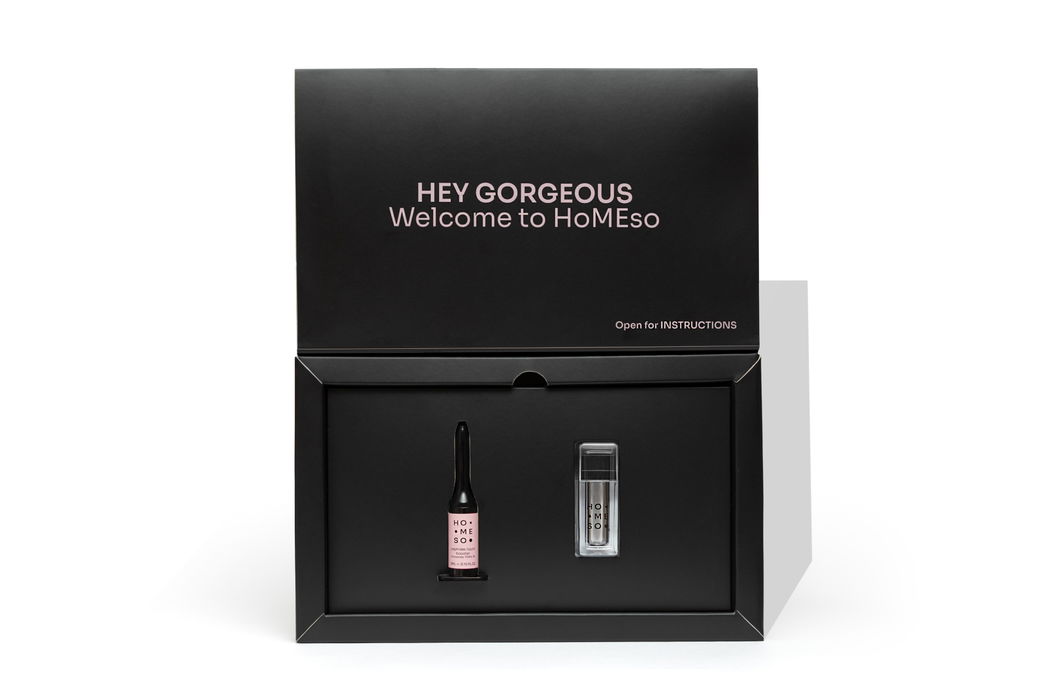
It works by creating micro-channels in the skin, which stimulate collagen production, improve skin texture and elasticity, and enhance the absorption of active ingredients for maximum effectiveness. With our innovative micro-infusion applicator, specially designed for home use, and our patented Peptide Serum Booster (featuring sonicated hyaluronic acid), you can achieve the same —completely safely and painlessly.
HoMEso is not a skincare treatment that requires an appointment. It's a next-generation skin therapy that you can experience anytime, anywhere—right in the comfort of your home.
Package contains:
1x Hygienically packed HoMEso applicator
1x Patented Peptides Serum Booster (3 ml)
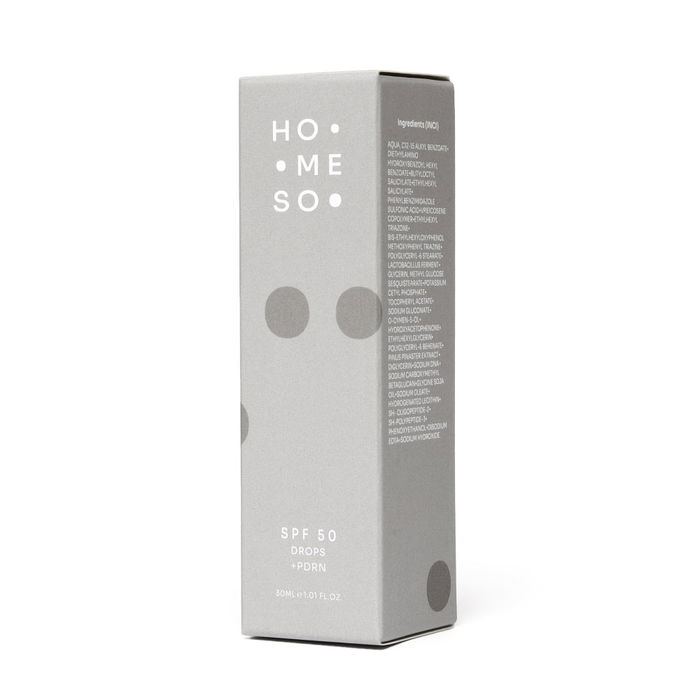
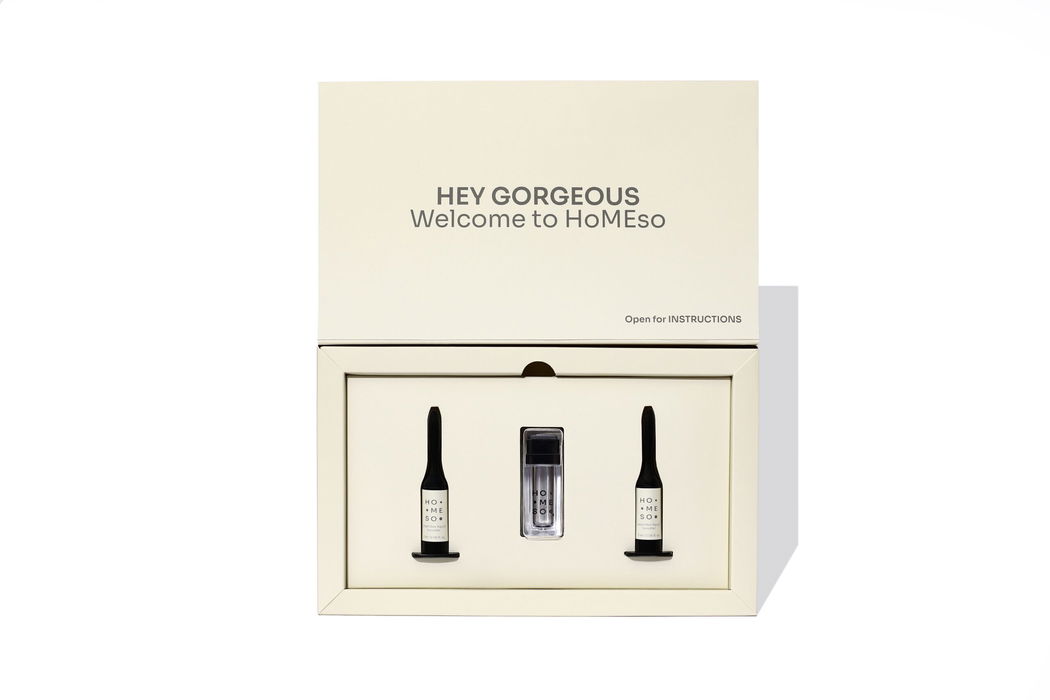
It works by creating micro-channels in the skin, which stimulate collagen production, improve skin texture and elasticity, and enhance the absorption of active ingredients for maximum effectiveness. With our innovative micro-infusion applicator, specially designed for home use, and our patented Peptide Serum Booster (featuring sonicated hyaluronic acid), you can achieve the same — completely safely and painlessly.
HoMEso is not a skincare treatment that requires an appointment. It's a next-generation skin therapy that you can experience anytime, anywhere-right in the comfort of your home.
Package contains: